Mining never became a major industry in the Whiteshell, but the region saw enough exploration to leave a lasting impact on the landscape. The earliest work began in the late 1800s, when gold strikes elsewhere in the Canadian Shield, like near Kenora, and Sault Ste. Marie pushed prospectors west into the Whiteshell area. This led to veins of quartz being discovered near Falcon Lake, Star Lake, and West Hawk Lake.
Quartz is one of the most common minerals on earth, and not that valuable; however, it’s deposited via the same hydrothermal process as Gold. Therefore, where quartz is, it’s also possible to find gold.

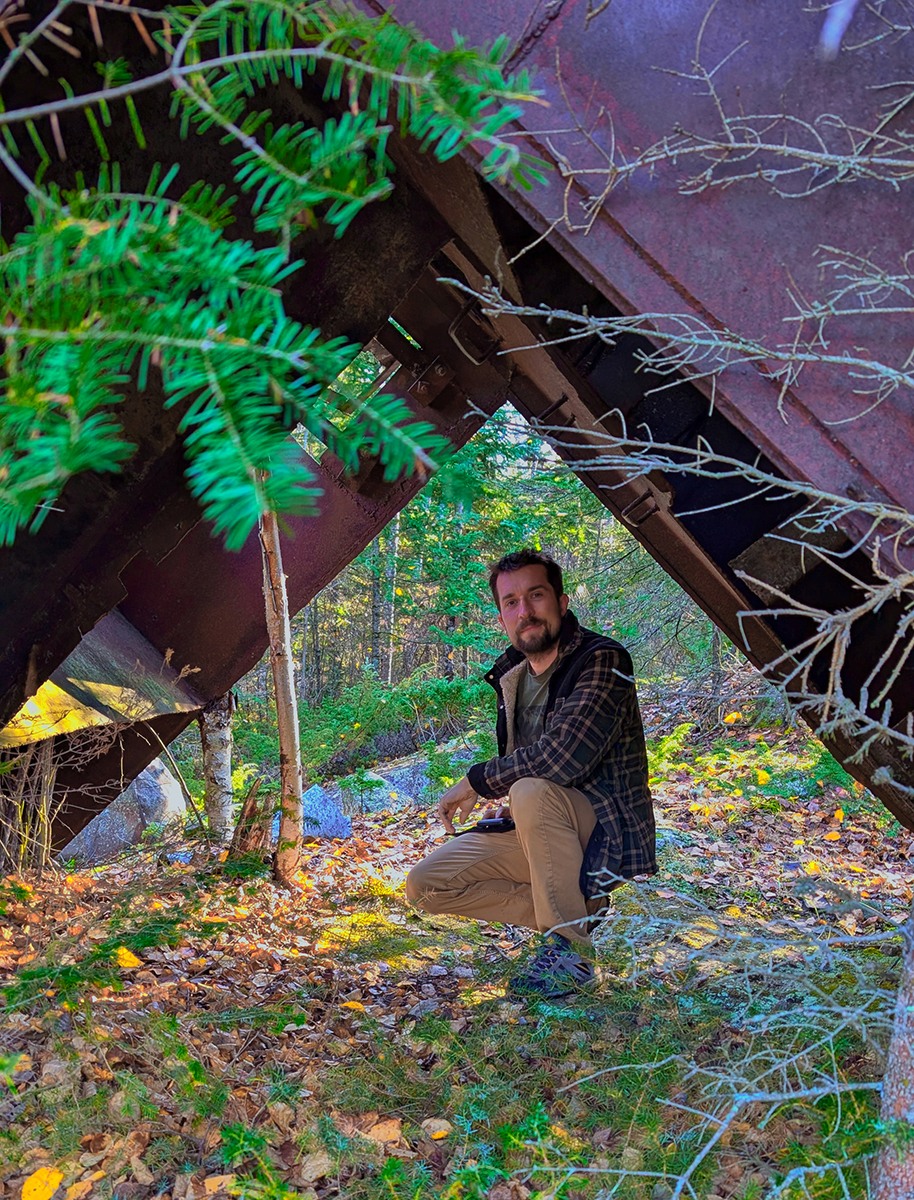
Gold has been found in the Whishell by following quartz veins. In 1910, a Gold mine was established at Star Lake; however, it only lasted for 20 years before being shut down. There is evidence here of the prospectors who sampled this area, including blasting holes and old mining equipment. While the mining didn’t bring in enough to make it economically viable long-term, it did bring steady traffic to the Whiteshell, which encouraged regional development.


West Hawk Lake was also an area of interest because it sits in a meteorite crater. Prospectors assumed the fractured rock around its rim might contain valuable minerals. They dug and drilled around the nearby cliffs. While they discovered interesting geology, they didn’t find anything else.
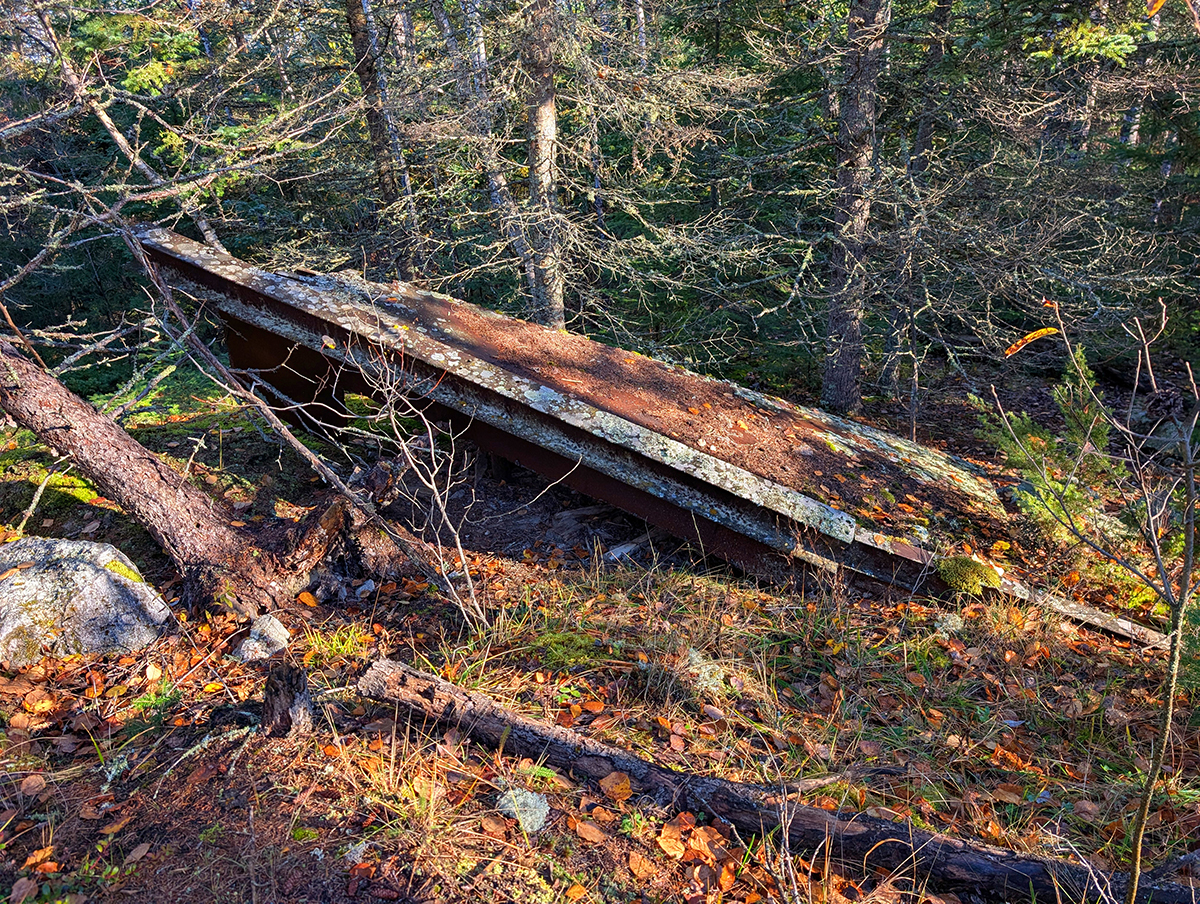


In autumn, while I was hiking the Trans Canada Trail through the Whiteshell, I came across several pieces of old mining equipment scattered along the route. I also discovered a few spots where the ground had signs of rocks being blasted by explosives.


The pits shown here appear to have been blasted in an attempt to see what lay beneath the granite. This area is just off Highway 44.
In 1961, the Whiteshell area was designated a provincial park, restricting all future mining development. While no new mines will be started here, evidence of the mining history can still be found if you know where and what to look for.